Ultimate Editorial SEO Workflow: 8 Powerful Steps for High-Performance Content
Last Updated on October 13, 2026 by Corey Fox
Direct Answer: What Is Editorial SEO
Editorial SEO is a structured approach to content creation that starts with search intent and ends with performance. Instead of writing first and fixing later, editorial SEO defines what the page needs to accomplish before a single sentence is written.
The goal is simple. Create content that matches intent, covers the full topic, and earns trust. When done correctly, editorial SEO produces pages that rank longer, require fewer rewrites, and actually support business outcomes.
What This Guide Covers
This guide breaks down the full editorial SEO workflow, including:
- What editorial SEO is and why it works
- How it differs from traditional SEO content
- How to analyze intent and SERPs
- How to extract subtopics and entities
- How to build AEO-friendly outlines
- How to draft, optimize, and iterate content
- Templates and mistakes to avoid
What Is Editorial SEO
Editorial SEO blends editorial discipline with modern search requirements. It treats content like a system, not a one-off deliverable.
Instead of asking how many keywords a page can hold, editorial SEO asks what the searcher actually wants and how clearly that answer can be delivered.
Editorial SEO vs Traditional SEO
Traditional SEO often follows this pattern: write the article, then optimize it. Editorial SEO flips that approach. Intent and structure come first. Writing comes second.
This shift alone eliminates most ranking issues.
Problems Editorial SEO Solves
Editorial SEO solves common content failures such as:
- Pages that rank briefly and disappear
- Content that technically targets a keyword but misses intent
- Over-optimized articles that no one reads
- Blogs that never support conversions or internal linking
Real-World Example
A traditional SEO article repeats the keyword. An editorial SEO article explains the topic, answers real questions, compares approaches, and provides practical frameworks. Search engines reward that depth. Readers trust it.
How the Editorial SEO Workflow Works
Inputs
Editorial SEO starts with clarity. Inputs typically include:
- A primary topic or keyword
- Secondary and related keywords
- Business context and funnel stage
- Competitive SERP data
Process
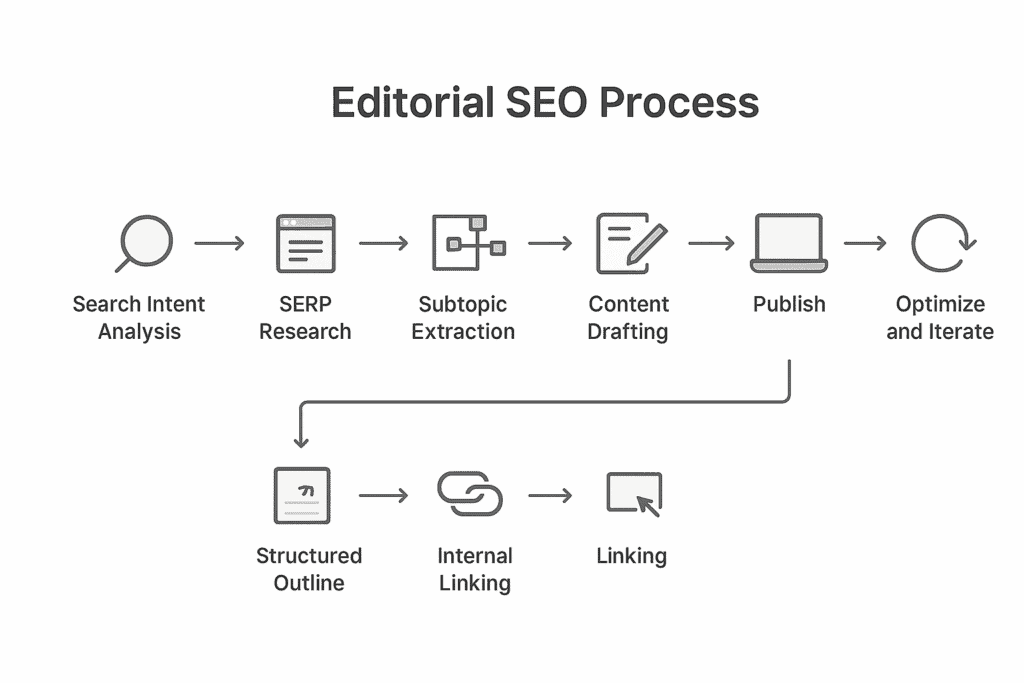
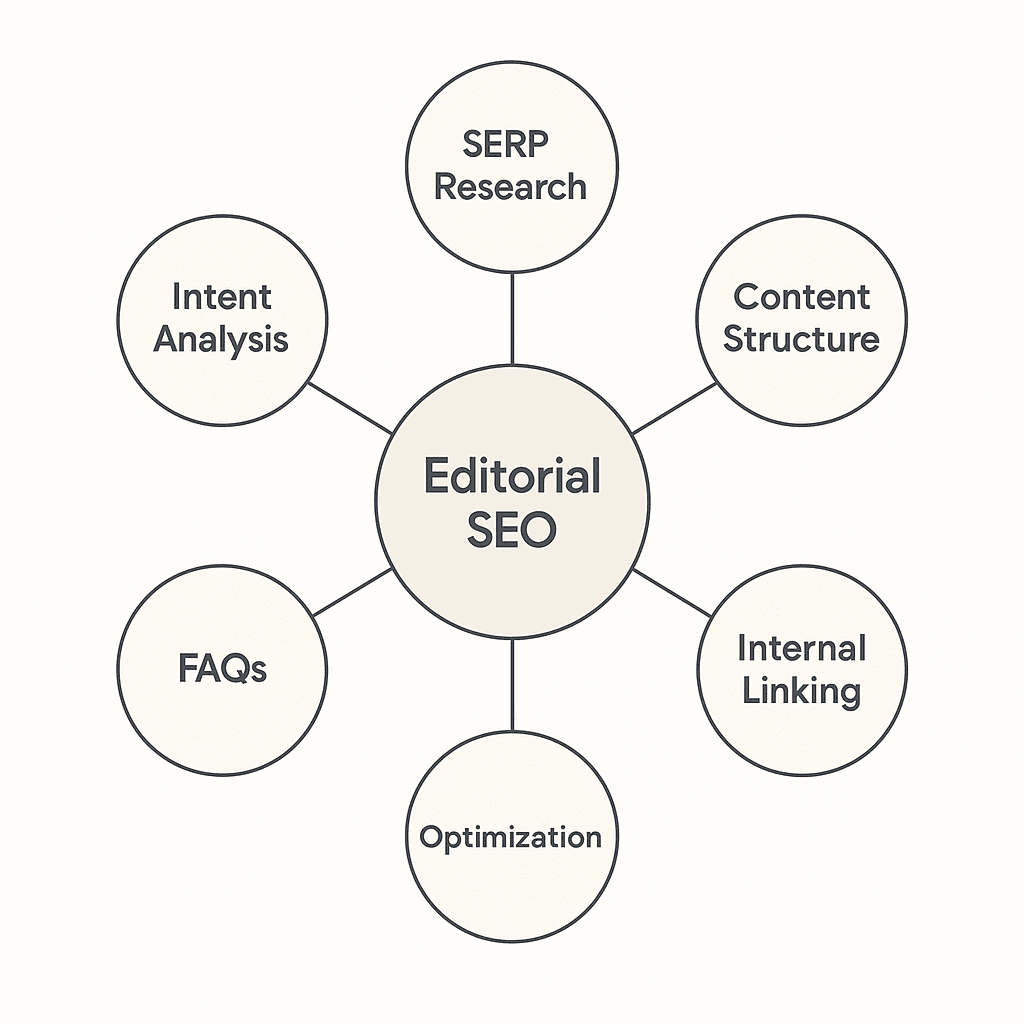
The workflow follows a predictable sequence:
- Intent analysis
- SERP study
- Subtopic extraction
- Structured outlining
- Drafting
- Internal and external linking
- Publishing and iteration
Outputs
The outputs are not just articles. They include:
- Pages that rank and hold position
- Reusable templates
- Clear internal linking paths
- Content that improves over time
Why Structure Comes Before Writing
Structure prevents wasted effort. When the outline is right, drafts are faster and updates are easier. Editorial SEO treats structure as the foundation, not an afterthought.
Editorial SEO vs Programmatic SEO (and How They Work Together)
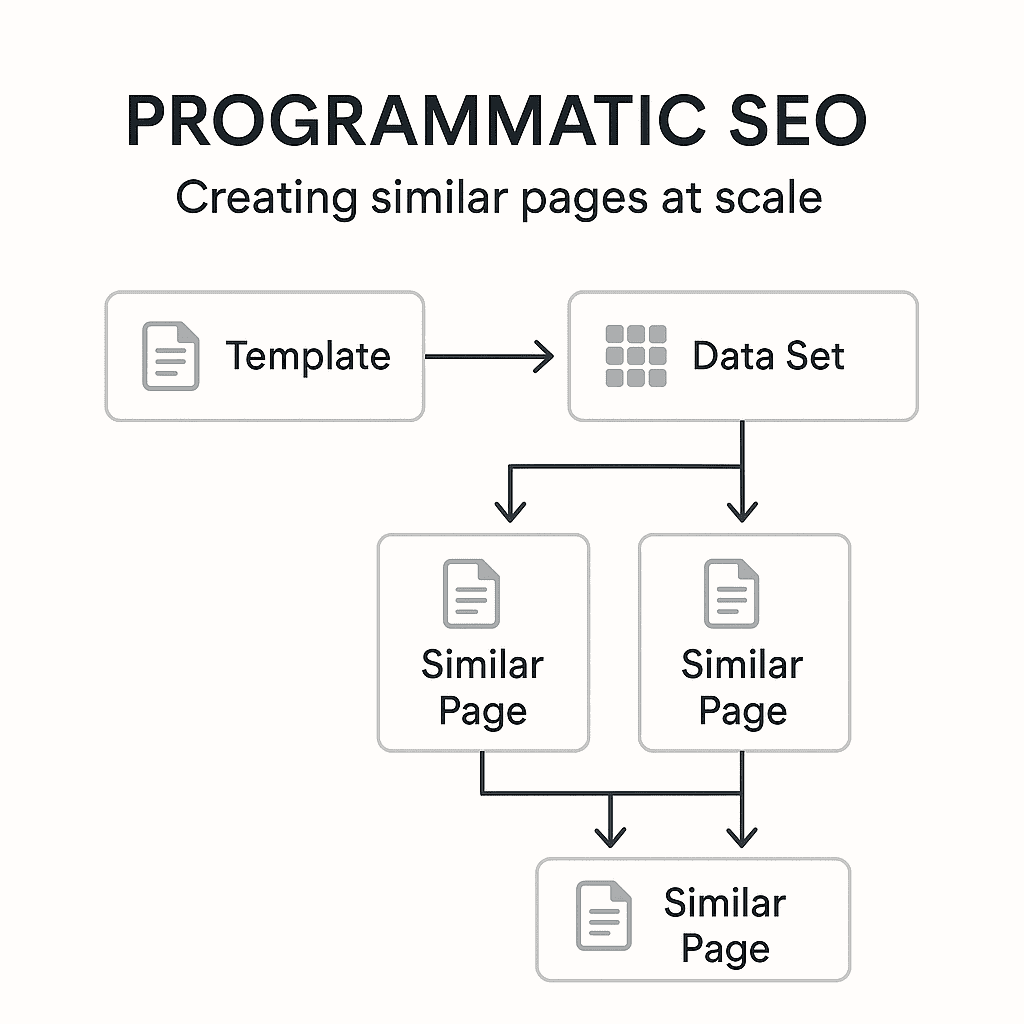
Editorial SEO and programmatic SEO are often treated as separate strategies. In practice, they work best together when each is used for what it does best.
Editorial SEO focuses on intent, structure, and depth. It defines what a topic requires to rank and how information should be presented to earn trust. Programmatic SEO focuses on scale. It takes proven structures and applies them across large sets of similar pages.
The mistake is trying to run programmatic SEO without an editorial foundation.
When that happens, pages scale fast but fail to rank or stick.
How Editorial SEO Supports Programmatic SEO
Editorial SEO creates the blueprint. It answers questions like:
- What is the dominant search intent?
- What subtopics must be covered?
- What structure performs best?
- Where do internal links belong?
Once those answers exist, programmatic SEO can be used to scale variations safely and consistently.
When Programmatic SEO Makes Sense
Programmatic SEO works best when:
- Search intent is stable across many variations
- Page structure is repeatable
- The topic has already been validated editorially
Examples include location pages, comparison pages, use-case libraries, or feature-based templates.
Editorial First, Programmatic Second
The strongest content systems start with editorial SEO. Once a topic proves it can rank and convert, programmatic SEO becomes a multiplier, not a shortcut.
If you want a deeper breakdown of how programmatic SEO works in practice, including templates and use cases, see this guide: What Is Programmatic SEO?
Step-by-Step Editorial SEO Process
Step 1: Keyword and Topic Analysis
Start with a clear primary topic such as editorial SEO. Expand into secondary keywords, related questions, and supporting entities. Evaluate intent, relevance, and competitiveness before moving forward.
Step 2: SERP Study
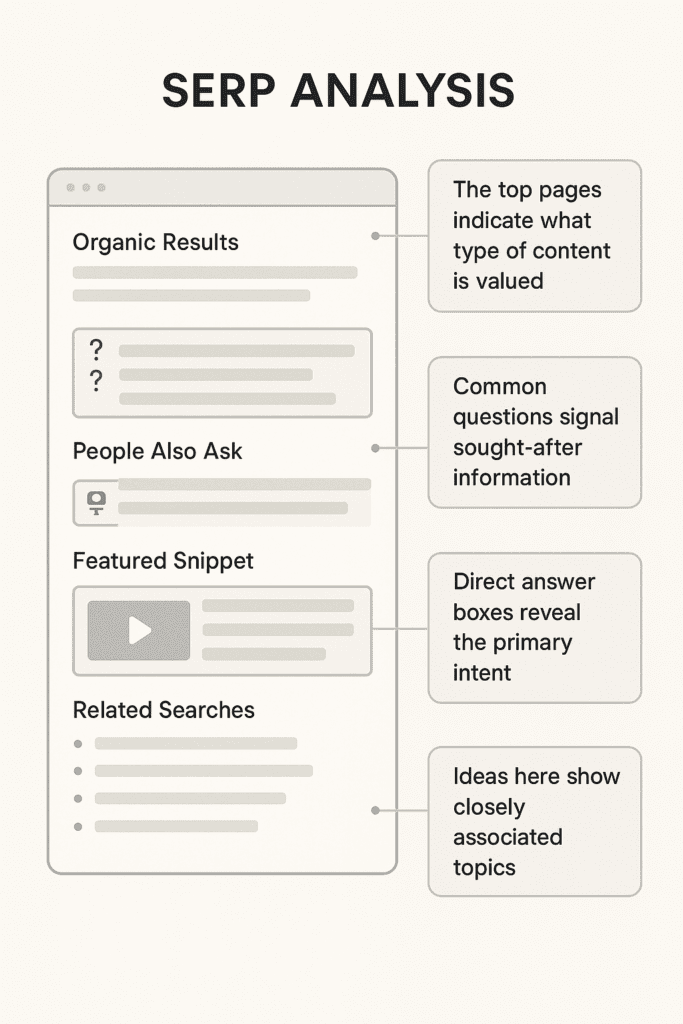
SERPs show you exactly what Google expects. Review ranking pages, content types, headings, and featured elements. Let the SERP define intent, not assumptions.
Step 3: Subtopic Extraction
Pull subtopics from competitor headings, People Also Ask questions, and related searches. This ensures full topical coverage instead of surface-level content.
Step 4: AEO Outline
Build outlines using question-based headings and answer-first formatting. This improves clarity, supports featured snippets, and aligns with answer engine behavior.
Step 5: Draft the Content
Write clearly and directly. Prioritize understanding over style. Use contractions naturally, vary sentence length, and avoid filler. The goal is usefulness, not cleverness.
Step 6: Internal and External Links
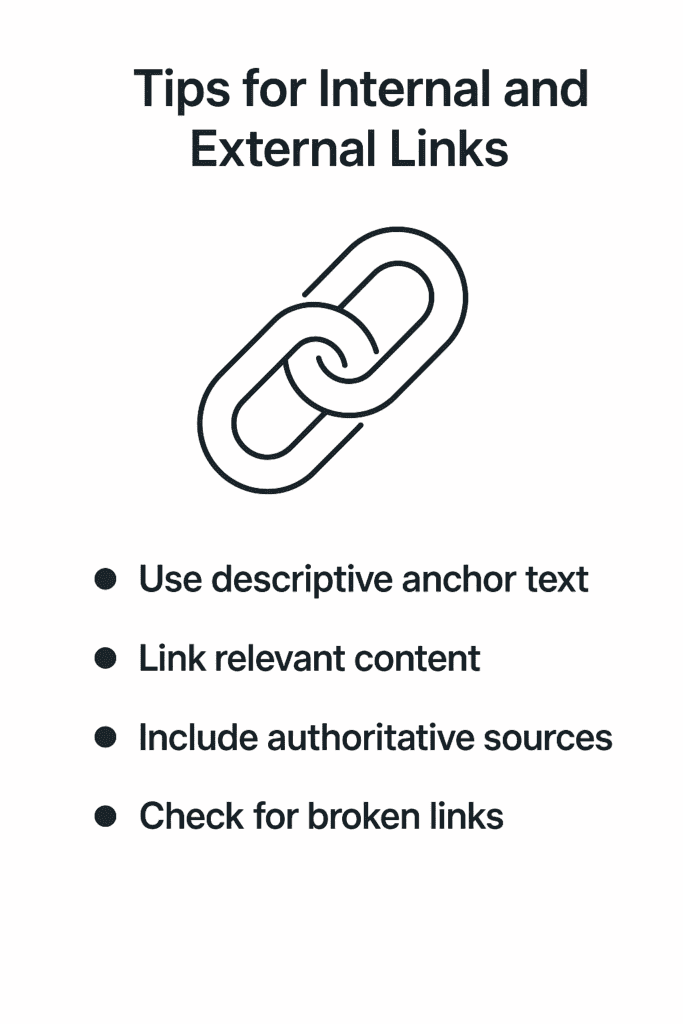
Internal links reinforce topical authority and guide users through related content. External links add context and credibility when used intentionally.
Step 7: Publish
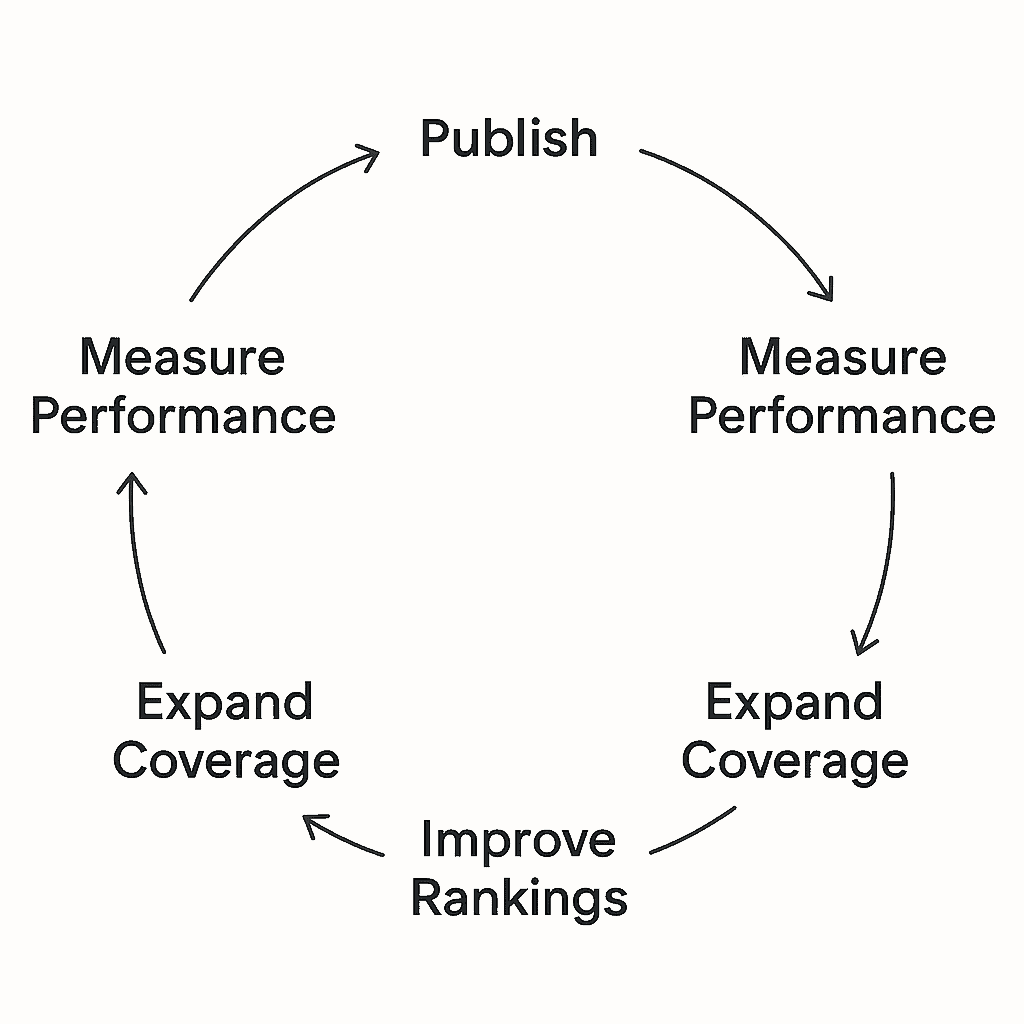
Before publishing, confirm metadata, heading hierarchy, internal links, and formatting. Publishing is a checkpoint, not the finish line.
Step 8: Optimize and Iterate
Monitor rankings and engagement. Update sections quarterly, expand FAQs, and refine content as search behavior changes. Editorial SEO rewards iteration.
Templates You Can Use
Editorial Brief Template
A strong editorial brief includes:
- Primary topic
- Search intent
- Target keywords
- Outline structure
- Internal link targets
AEO Outline Template
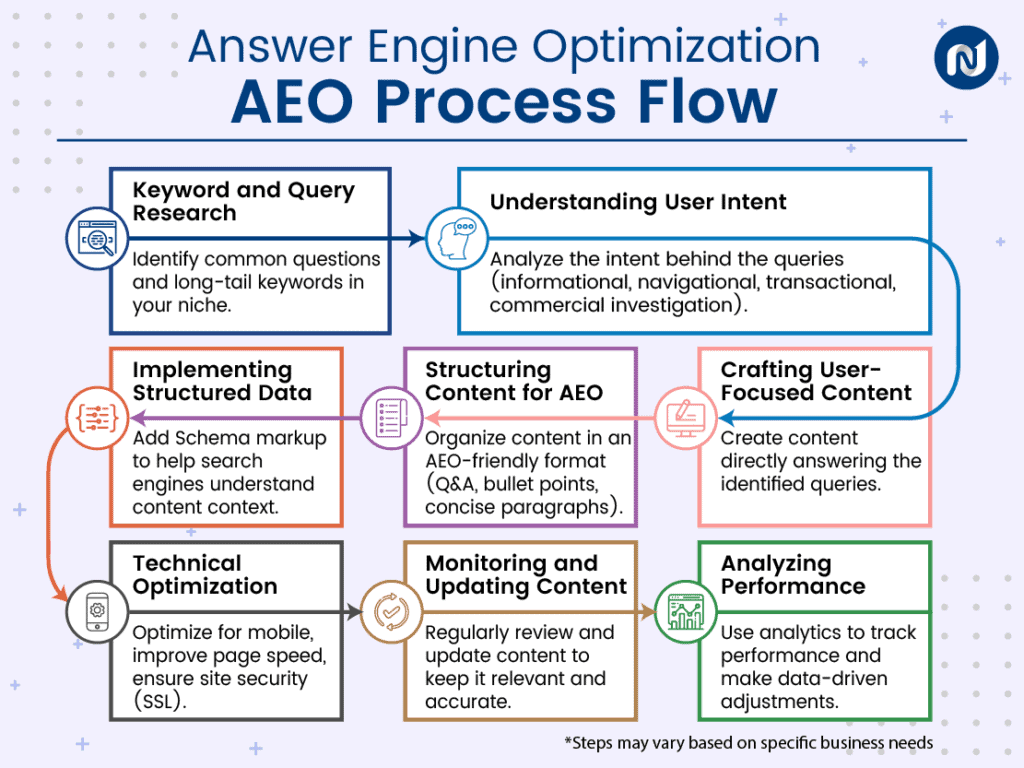
An effective AEO outline includes:
- Direct answers
- Clear heading hierarchy
- FAQ sections
- Logical transitions
Tools That Support Editorial SEO
Editorial SEO is tool-agnostic, but commonly supported by:
- Keyword research platforms
- Search Console performance data
- Technical audit tools
- Documentation and workflow systems
Tools support the process. They do not replace it.
Common Editorial SEO Mistakes
Avoid these mistakes:
- Skipping SERP analysis
- Writing before outlining
- Keyword stuffing
- Weak internal linking
- Publishing without iteration
Most content failures happen because steps are skipped, not because tools are missing.
Frequently Asked Questions
Does editorial SEO still work?
Yes. Editorial SEO aligns directly with how search engines evaluate helpful content today.
Editorial SEO vs content marketing?
Editorial SEO focuses on ranking and intent. Content marketing focuses on distribution and brand. The best strategies use both.
How long does editorial SEO take?
The upfront work takes longer, but long-term maintenance is faster and more effective.
Is editorial SEO scalable?
Yes. Templates and workflows make it repeatable across teams and sites.
What role does AI play?
AI can assist drafting, but intent, structure, and judgment must remain human-led.
Can small sites benefit from editorial SEO?
Absolutely. Smaller sites often see faster gains due to focused topical authority.
Final Takeaways
Editorial SEO is not a tactic. It is a system.
When intent leads, structure supports, and iteration follows, content performs longer and stronger. Start with one page, apply the workflow, and build from there.